Welcome to Ledger
Ledger is the world’s leading provider of secure hardware wallets for cryptocurrencies. Whether you are a beginner or an experienced user, Ledger ensures your crypto assets are safe, giving you full control over your digital funds. With this guide, you will learn how to set up your Ledger device, navigate the Ledger Live application, and secure your assets effectively.
Why Choose Ledger?
Security is the core principle of Ledger. Using a Ledger hardware wallet, your private keys never leave the device, protecting you from online threats. Ledger combines state-of-the-art security with ease-of-use, enabling everyone—from casual users to professionals—to manage crypto assets safely.
Step 1: Setting Up Your Ledger Device
Unboxing your Ledger hardware wallet is the first step. Inside, you’ll find the device, a USB cable, a recovery sheet, and instructions. Before you power it on, ensure you are in a secure environment. Avoid using public Wi-Fi and always download Ledger Live from the official website.
Power on the device and follow the on-screen instructions. You will create a PIN code, which acts as your device’s password. Remember, this PIN should be unique and never shared with anyone.
Step 2: Recording Your Recovery Phrase
After setting your PIN, the device will generate a 24-word recovery phrase. This phrase is critical—it’s the only way to recover your wallet if your device is lost or damaged. Write it down carefully on the recovery sheet and store it in a safe location. Never store it digitally or share it online.
Step 3: Installing Ledger Live
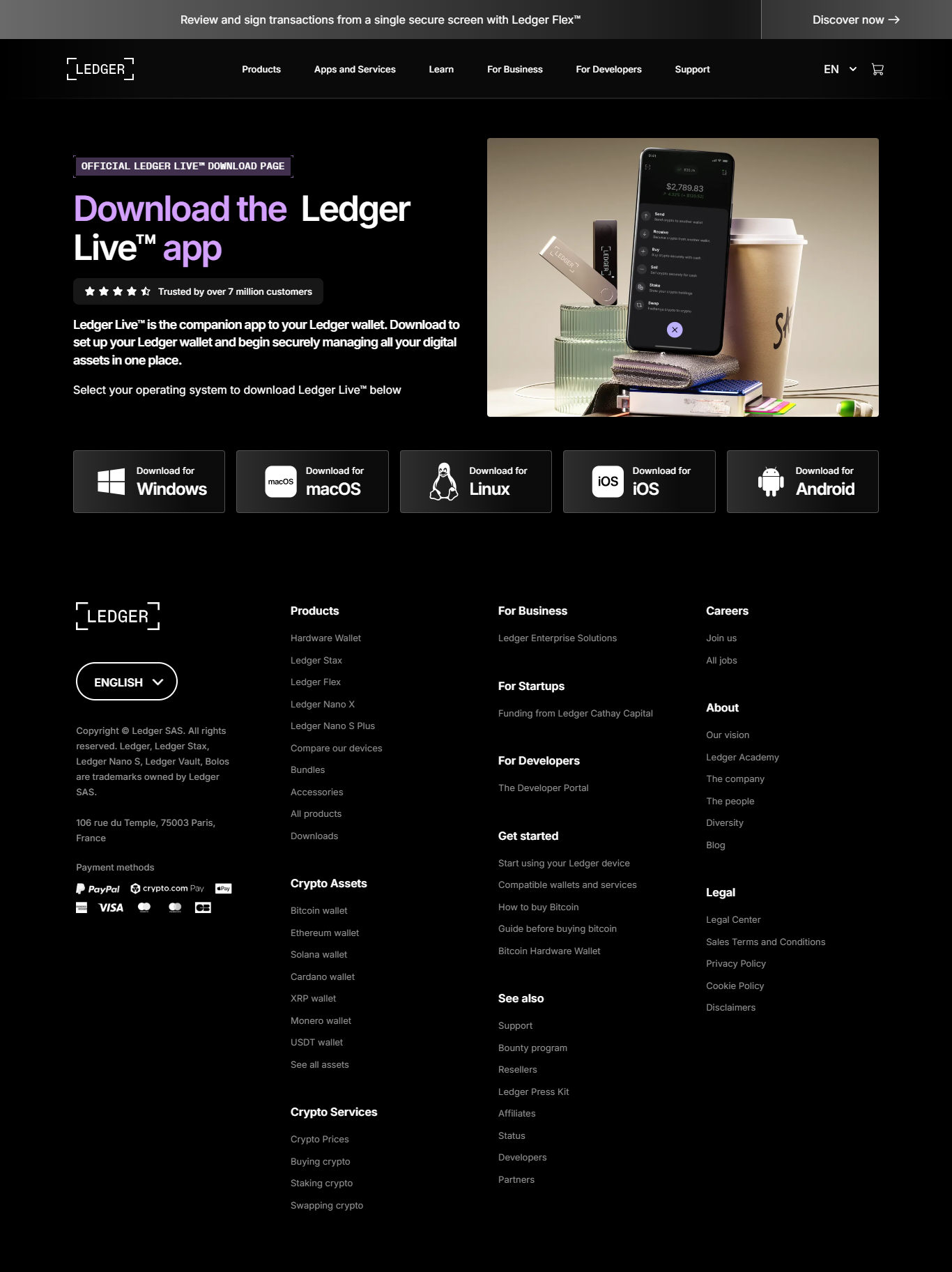
Ledger Live is the companion application for managing your cryptocurrencies. Download Ledger Live from the official Ledger website. Install it on your computer or mobile device, and follow the setup instructions to pair your hardware wallet.
Step 4: Adding Accounts
Ledger Live allows you to add multiple cryptocurrency accounts. Click “Add Account,” select your desired crypto, and connect your Ledger device. Your accounts will appear in Ledger Live, showing balances, transaction history, and more.
Step 5: Sending and Receiving Crypto
To receive crypto, copy your account address from Ledger Live and share it with the sender. To send crypto, enter the recipient’s address, the amount, and confirm the transaction on your Ledger device. Ledger ensures each transaction is secure and verified on the hardware wallet itself.
Step 6: Regular Maintenance and Updates
Ledger frequently releases firmware updates to improve security and add support for new cryptocurrencies. Always keep your Ledger device and Ledger Live application updated. Never install unofficial firmware or applications, as these can compromise security.
Ledger Security Best Practices
- Never share your PIN or recovery phrase with anyone.
- Store your recovery phrase offline in a secure location.
- Always verify website URLs before downloading Ledger Live.
- Use the official Ledger support channels for any issues.
- Enable two-factor authentication for extra security on exchanges.
Advanced Features
Ledger devices support staking, decentralized finance (DeFi) apps, and NFTs. Ledger Live provides a seamless interface to access these services while keeping your funds secure on your hardware wallet.
Troubleshooting Common Issues
If you encounter issues with your Ledger device, check for firmware updates first. Ledger’s support website has detailed guides for recovery, software errors, and connectivity problems. Avoid third-party repair services, as these can compromise your security.
Conclusion
Getting started with Ledger is simple, secure, and empowering. By following this guide, you can safely manage, send, and receive cryptocurrencies while keeping your digital assets protected. Ledger’s combination of hardware security and intuitive software ensures peace of mind for all crypto enthusiasts.
Remember, your Ledger wallet is only as secure as the practices you follow. Always prioritize safety and keep your recovery phrase offline. Happy crypto managing!
Start your journey today at Ledger.com/Start!